
I. Foreword: About the “Shape” of Curly Hair, Not its “Length”
The problem with curly hair has never been length, but shape. This is an realization all curly-haired people eventually reach—true liberation begins when you finally give up struggling against the aesthetic standards of the straight-hair world and instead seek the contours of your own texture.
In 2026 hair salons, this realization is spreading at an astonishing pace. Google Trends data shows that searches for “curly hairstyles” have surged by 30% since 2024. From Zendaya to Tracee Ellis Ross, more and more faces are showcasing untamed curls on the red carpet. This isn’t some seasonal trend resurgence, but a slow but firm declaration of a stance that “natural texture is the right aesthetic.”
II. Underlying Trends: Why Curly Haircuts Are Particularly Important This Year
1. From “Control” to “Dialogue”
For the past decade, the key word for curly hair care has been “taming”—anti-frizz sprays, straighteners, and chemical smoothers. The shift in 2026, however, is subtle yet profound: Vogue’s trend forecast highlights “sculpted curls,” emphasizing defining curls with shine rather than rigid styling. Hairstylists are starting to talk about “dialogue with curls” rather than “transforming curls.”
2. Democratization of Technology
Product innovation has provided the infrastructure for this revolution. Sulfate-free shampoos, deep-moisturizing conditioners, and styling formulas designed for textured hair—these professional products once exclusive to niche salons are now available to the mass market. Professional care solutions from brands like DevaCurl and Ouidad have transformed daily curly hair management from a chore into a predictable ritual.
3. The Personalization of Haircuts
The era of the “one-size-fits-all” approach is coming to an end. In 2026, the most sought-after request in salons will be the “curl by curl” technique—stylists will customize the cut based on the curl pattern, density, and elasticity of each individual strand. Your curls will no longer be forced into a standard template, but rather mapped out as unique terrain.
III. Nine Entrustable Curly Hair Silhouettes
1. Modern Curly Shag: The Unrestrained Poetics of Layers
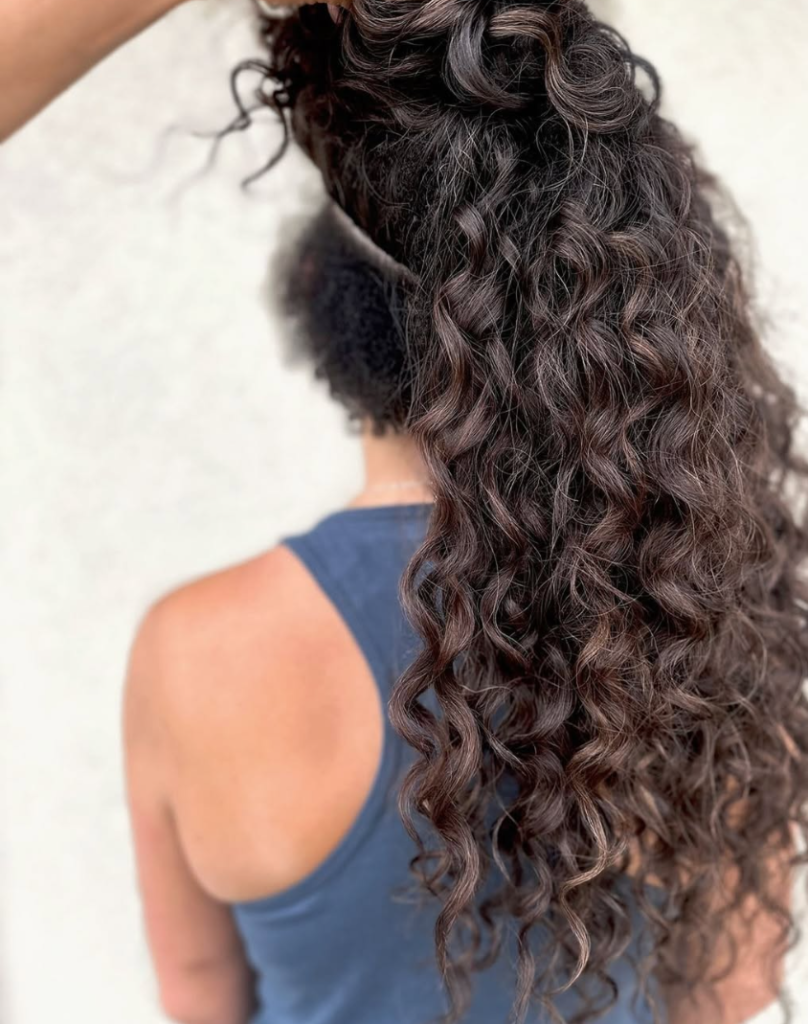
This is one of the most frequently requested entries on salon appointment books in 2026. With volume at the top and tapered ends, paired with wispy bangs that frame the face—this cut provides a natural stage for 2B to 3B curls. Inspired by Taylor Swift’s look on the 2025 Grammy red carpet, this year’s version emphasizes “everyday” rather than “occasional.”
Care Tips: Apply curling cream to damp hair and blow-dry with a diffuser. Searches for “Shag for curly hair” increased by 22% between 2025 and 2026. Trim every eight to twelve weeks to maintain the shape.
2. Sculptural Pixie: The Courage of Short Hair
For those with 3B to 4A curls, this cut offers a bold path to liberation. Textured curls are retained on top, tapering to shorter sides, and can be paired with asymmetrical bangs or a shaved undercut for added sharpness. Adut Akech’s signature Pixie is a living advertisement for this style—proving that short, curly hair is not a “second-best” option, but an active aesthetic choice.
Care Tips: Apply a light mousse to damp hair and air dry or diffuser blow-dry. Trim monthly to maintain the precision of the shape.
3. The Blunt-Toned Bob: A Struggle Between Geometry and Softness
A chin-length bob with blunt ends creates structural tension, particularly suitable for 2C to 3C curls. Emma Mackey’s red carpet look made this cut a trendsetter favorite. Its beauty lies in the blunt ends providing a defined boundary for the curls, making them appear more intentional rather than haphazardly spread.
Care Tips: Use leave-in conditioner to help air dry, or add personality with bangs. Trim every six to eight weeks to maintain sharp geometric lines.
4. Long Layered Curls: The Cure for the “Triangle Head”
The classic nightmare of long curly hair is the “triangle shape”—flat at the top and bulging like an umbrella at the bottom. A long layered cut eliminates the bulkiness by incorporating layers in specific locations while retaining length, making it a savior for 3A to 3C curls. Tracee Ellis Ross’s signature long curls perfectly exemplify this philosophy.
Care Tips: After applying gel, spread it out and dry to enhance root support. Pinterest data shows that searches for “long, layered curly hair” increased by 18% in 2025. Trim every 10-12 weeks, with regular deep conditioning.
5. Curly Curtain Bangs: A Contemporary Translation of Retro
Soft, center-parted bangs blend seamlessly with the rest of the curls, adding a touch of 70s nostalgia to all curl types. Rihanna’s appearance at Fashion Week caused this style to surge in bookings. It flatters most face shapes and the curl can be defined using a small round brush or your fingers.
Care Tips: Trim the bangs every 4-6 weeks to prevent them from overgrowing and losing the lightness of the “curtain.”
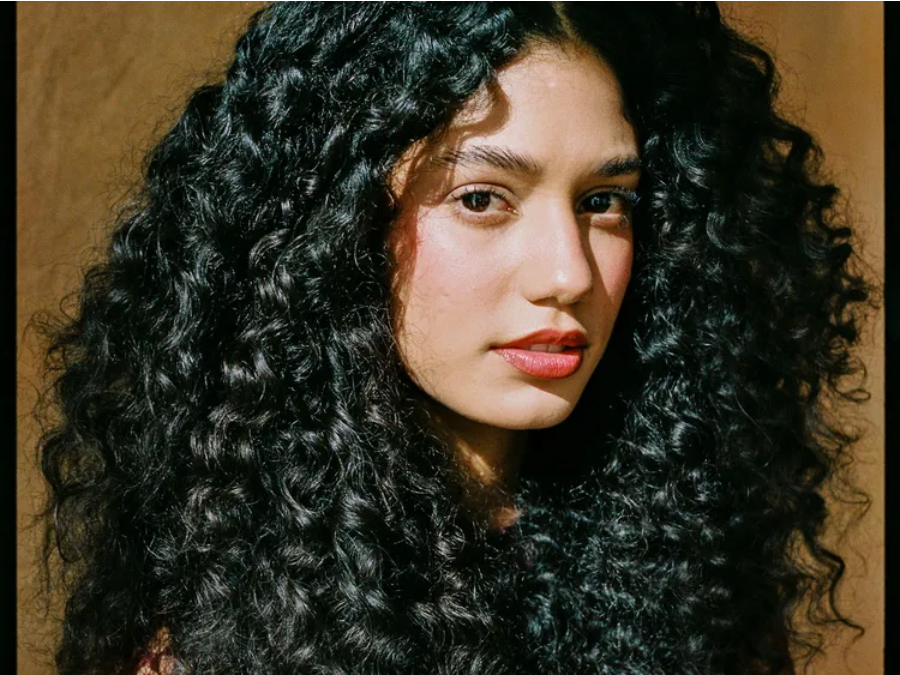
6. Gradient Afro: The Architecture of Volume
Rounded and full at the top, tapering shorter on the sides and back—this cut provides a structured volume expression for 3C to 4C curls. Yara Shahidi’s awards season look proves it can be both dignified and edgy. A wide-tooth comb or tousled comb is the perfect companion for everyday styling, adding volume without disrupting the curl structure.
Care Tips: Trim the silhouette every four to six weeks to maintain a precise gradient transition.
7. Shoulder-Length Lob: The Elegance of Moderation
The “long bob,” falling just to the collarbone, offers subtle layers and manageable length, making it a transitional choice for those with 2B to 3B curls. Zendaya’s recent advertising campaign showcased its modern appeal—neither as dramatic as a bob nor requiring the constant volume management of long hair.
Care Tips: Lightweight styling cream provides elasticity and shine. Air dry or diffuser blow dry. Trim every eight to ten weeks.
8. Wolftail Cut with Curls: A Declaration of Edges
Mullet and Shag combined, this cut creates a strong individual expression with heavy layers and tousled texture, suitable for those with 2C to 3C curls. Billie Eilish’s wolftail hairstyle caused a stir in the fashion world, proving the impact of this cut. Sea salt spray is the soul of the style, used to enhance texture and volume without looking stiff.
Care Tips: Trim every 10 to 12 weeks to maintain the sharpness of the layers.
9. Curly Variation of the Butterfly Cut
Another major trend for 2026—the butterfly cut—has also found a symbiotic relationship with curls. By removing the burden of volume and releasing a natural bounce, the curly version of the butterfly cut allows curls to “bloom and stretch.” Faces like Camilla Cabello and Jenna Ortega have brought this style into the mainstream.
IV. The Hidden Rules of Daily Hair Care
Moderation in Washing and Conditioning
The effect of a curly haircut depends half on the scissors and half on how you treat water. Over-washing is the culprit behind dry scalp and fragile curls. Colorists and hair scientists repeatedly warn: sulfate-containing shampoos, alcohol-based styling products, and layers of dry shampoo spray—these modern conveniences are drying out the scalp’s natural oils. Washing two to three times a week with a sulfate-free formula is the basic requirement for maintaining healthy curls.
The Game of Wind and Heat
A diffuser is the holy grail for curly hair. It reduces frizz by dispersing airflow while preserving the natural structure of the curls. If you have enough time, let your hair air dry until it’s about 80% dry before using a hairdryer to minimize heat damage.
The Philosophy of Product Subtraction
The 2026 curly hair care trend points to “less is more.” Layering too many products can weigh down curls, making them lose their natural bounce. One or two core products—a moisturizing cream or a lightweight styling gel—often showcase the true nature of curls better than a complicated ritual.
V. The Art of Dialogue with Your Hairstylist
Before scheduling your salon appointment, prepare a few inspirational images that match your hair type and curl shape. But more importantly, honestly describe your lifestyle: How much time are you willing to invest in styling? Do you prefer air drying or using heat tools? How do your curls perform in humid weather?
A good curl cut is never an isolated aesthetic decision, but a response to the rhythm of your daily life. Hairstylists in 2026 are increasingly like architects—they design not static styles, but dynamic structures that remain intact as you move, breathe, and experience different weather conditions.
Ultimately, the 2026 curl trend is about a simple but belated realization: curls don’t need to be corrected, they just need to be understood. Every type of curl—from loose waves to tight coils—has its optimal shape expression. When cutting begins to serve rather than fight texture, hair ceases to be a daily battleground and becomes a natural, worthy identifier of identity.
This is perhaps why “natural texture” this year is no longer just a beauty trend, but more of a cultural statement. After aesthetic fatigue from over-edited and meticulously crafted looks, people are beginning to trust unprocessed forms again—including the unique curly landscape on their own heads.

