
I. What is Bronde: When Brown and Gold Are No Longer Opposing
In the spectrum of hair colors, brown and gold were once like two parallel lines, each occupying one end of the aesthetic landscape. However, in recent years, a hair color called “Bronde” has quietly broken down this barrier—it is neither pure brown nor pure gold, but rather a product of the natural fusion of the two in light and shadow. As renowned London hairstylist Jason Collier said, it is a multi-dimensional tone that “neither completely belongs to the blonde camp nor completely belongs to the brown family,” carrying the warmth kissed by the sun, and coating any skin tone with a soft halo.
The beauty of this hair color lies in its “uncertainty.” It is not as clearly defined as traditional highlights, nor as flamboyant as full-head bleaching. Professional colorist Lorena M. Valdes defines it as “brown as a base, embellished with golden highlights,” rather than light brown hair forcibly impersonating blonde. It’s more like a meticulously planned “visual deception”—making onlookers believe your hair color was natural, only a few strands were stolen by the Mediterranean afternoon sun.
II. Technical Decoding: How to Achieve This “Natural Cheating”
The core of achieving the Bronde effect lies in the “handmade feel.” Unlike the precise, machine-applied foil highlights, colorists typically use balayage or babylights techniques, applying light-colored pigments to the hair strands with freehand strokes. New York colorist Jafra Bryant points out that the key is to “maintain a difference of one to three shades from the natural hair color” to create a gradient effect that appears to grow naturally from the scalp.
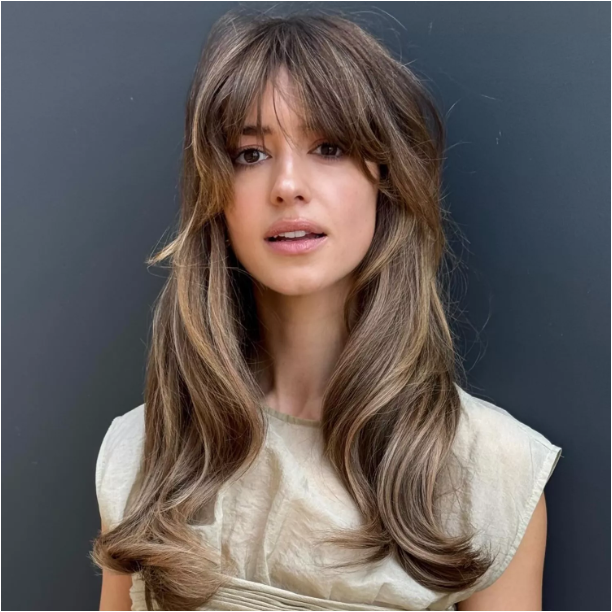
Different strategies exist for transitioning between different base colors. Dark brown hair needs to be gradually infused with caramel or honey tones through balayage; while naturally blonde hair is treated in reverse, using dark lowlights to tone down the color and create dimension. In the summer of 2026, colorist Zebulen Howell recommends three advanced variations: Honey Bronde Balayage (a glossy gradient that retains volume), Old Money Bronde (a luxurious, understated look created with teasy lights), and Teddy Bear Bronde (a neutral shine with a balance of warm and cool tones).
It’s worth noting that this hair color is particularly flattering for curly hair. Bryant explains that the natural curves of curls allow for alternating light and dark shades, creating a “full-body dimension.” For those with straight hair, she suggests emphasizing sparse highlights for a “beach” or “sun-kissed” look, avoiding overly neat arrangements that appear deliberate.
III. Style Lineage: From Everyday Commutes to Red Carpet Moments
The allure of Bronde lies in its amazing versatility. The 2026 trend report shows that this hair color is sweeping through the celebrity world in multiple forms:
Dark Bronde Suitable for those who don’t want to completely say goodbye to their brown hair base. While retaining a sense of depth, it incorporates light brown or dark gold threads at the ends of the hair or around the face, like adding a touch of milk foam to espresso—the flavor remains the same, but the texture becomes softer.
Honey Bronde is a summer favorite. Colorist Howell describes it as “the perfect blend of summer warmth,” simulating the effect of natural sun bleaching by brightening the hair around the hairline. Hailey Bieber’s recent look is a prime example of this style, with dark blonde interwoven with golden brown, presenting a “brightness as if gently caressed by sunlight.”
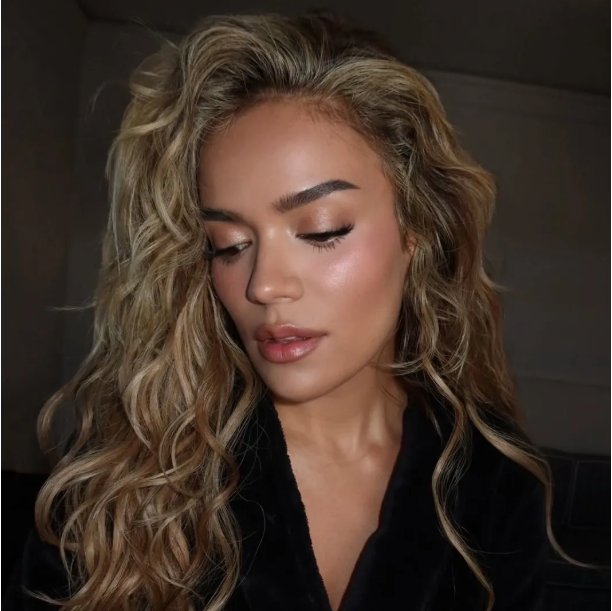
Cinnamon Bronde offers a low-risk path to lightness for those with dark brown hair. Tinashe has sported this shade, layering amber and light gold on a warm brown base, avoiding excessive damage from bleaching while achieving a revitalized brightness.
Khaki Bronde is a new variation for 2026. Color expert Jess Gonzalez drew inspiration from neutral tones in the fashion world to create a “golden shade with gray undertones.” Through color melting technology, she seamlessly blends light and dark shades, presenting an “organic” look that more closely resembles natural hair color.
IV. Maintenance Philosophy: Keeping the “Pseudo-Natural” Look Real
Bronde’s low maintenance is another key advantage. Because the roots typically retain a darker tone, the boundary between new growth and dyed hair is blurred, meaning you can comfortably extend the touch-up cycle—usually requiring a salon visit only every eight to ten weeks. Colorist Jamie Wiley particularly recommends it to those with dark brown hair who are “tired of the obvious root contrast from traditional balayage,” stating that Bronde provides “the desired lighter shades without the need for frequent maintenance.”
However, low maintenance doesn’t mean zero maintenance. To prevent the tone from leaning towards a bronze color, it’s recommended to use a purple shampoo once a week and regularly “touch up” the hair with a glaze or gloss treatment. If your bronde is predominantly warm gold, a color-protecting shampoo containing gold pigments can prolong the vibrancy of the honey tone. In addition, sulfate-free shampoos and conditioners, along with deep-moisturizing hair masks, are essential for extending the lifespan of your hair color, especially during the summer when you’re frequently exposed to seawater or pool chlorine.
V. Selection Guide: Finding Your Perfect Light
Before deciding to try a bronde, communication with a colorist is crucial. Bring several inspirational images (especially examples similar to your hair type and skin tone), and honestly tell them about your lifestyle—whether you prefer to visit the salon every two months or only once every six months?
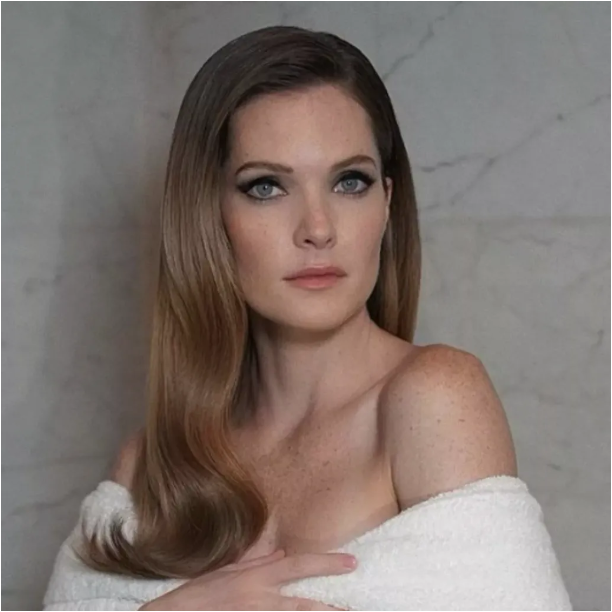
Those with cool skin tones are suited to brondes with gray or flaxen undertones; warm skin tones are better complemented by caramel, honey, or buttery shades. Eye color is also a factor: those with light eyes can enhance their eye brightness with facial highlighter; those with dark eyes are better suited to richer contrasting shades.
If you’re still undecided, consider starting with “face-framing highlights”—applying only a small amount of light color around the face. It’s a low-investment, low-risk approach that provides an immediate brightening effect. As Bryant says, it’s a gentle way to start that “doesn’t leave harsh growth lines, yet still provides enough contrast for a visual change.”
Between Certainty and Uncertainty
The popularity of Bronde reflects, to some extent, a shift in contemporary aesthetics: we no longer pursue extremes, but are fascinated by the ambiguous zone of “seemingly true but actually false.” It’s like a “third space” in the world of hair color—satisfying the desire for lightness in those with dark brown hair, and comforting the longing for heaviness in those with blonde hair. In this sense, choosing Bronde is not just choosing a color, but choosing a lifestyle: no need for a complete overhaul, just clever blending; no need for frequent experimentation, yet always able to bring something new.
After all, the best change is often the kind that makes people think you’ve never changed.

